01
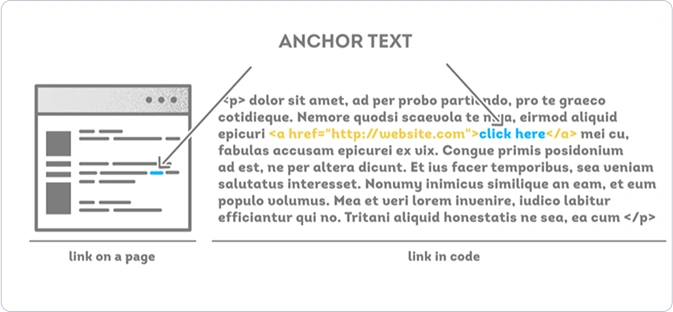
Anchor Text
The clickable words that make up the link. Search engines use anchor text as a clue about what the destination page is about, so it should read naturally and reflect the linked page's topic, not be stuffed with exact-match keywords.

Not all backlinks are created equal. A single link is really a bundle of smaller decisions, anchor text, placement, authority, and relevance, and each one changes how much SEO value that link actually passes. Here's a breakdown of the pieces that make up a quality backlink.
01
The clickable words that make up the link. Search engines use anchor text as a clue about what the destination page is about, so it should read naturally and reflect the linked page's topic, not be stuffed with exact-match keywords.
02
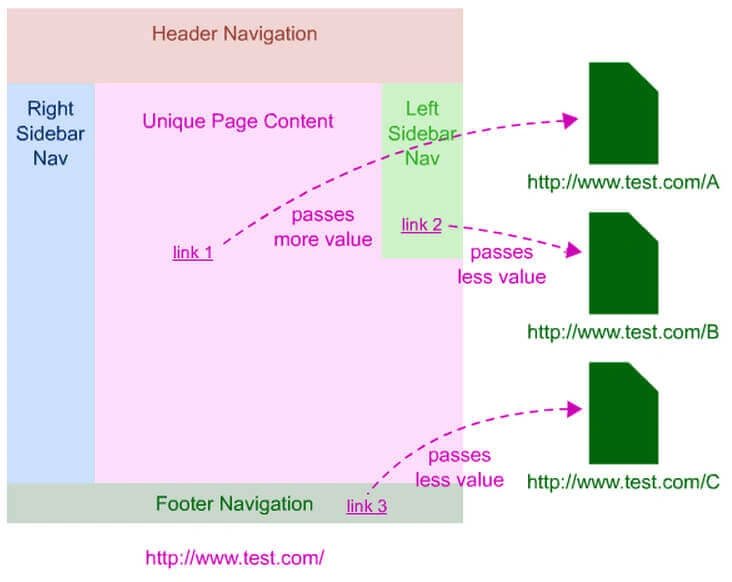
Where a link sits on the page matters. A link woven into the body of an article, surrounded by relevant content, typically carries more weight than one tucked into a footer, sidebar, or author bio.
03
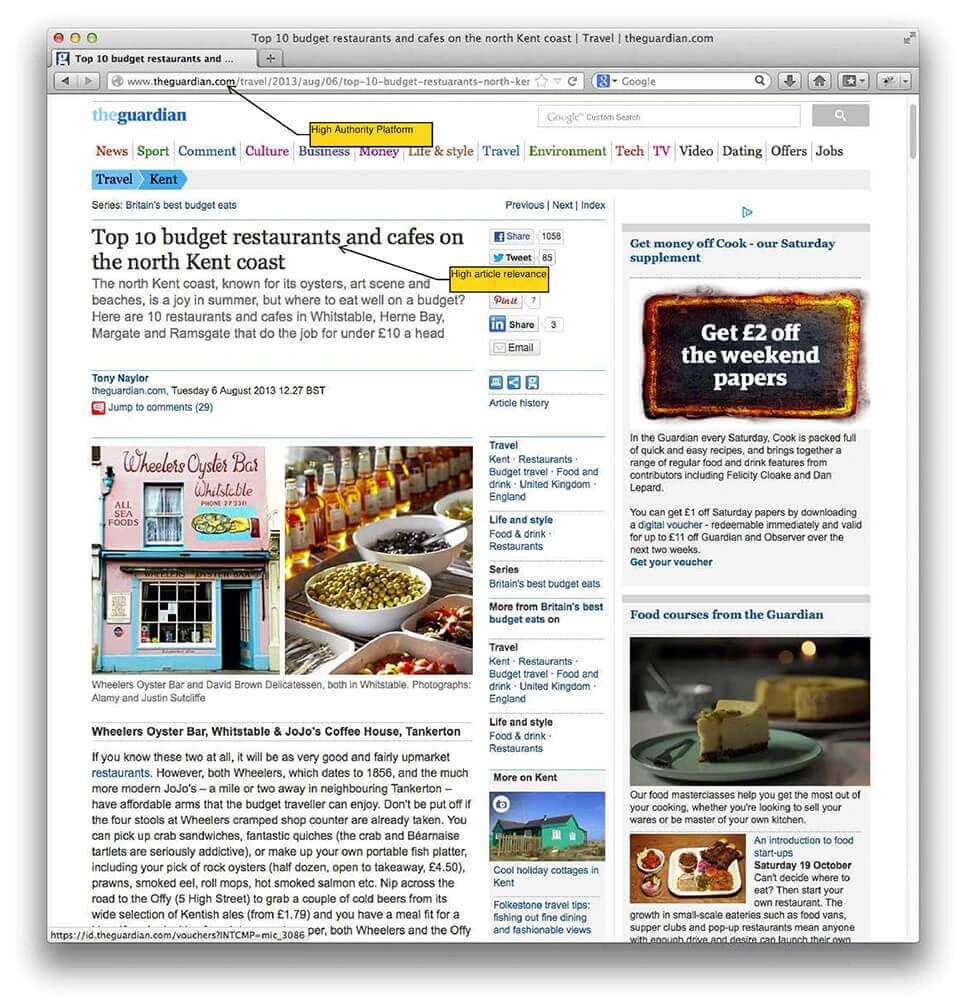
The website hosting the link. Ten links from ten different domains almost always carry more weight than ten links from a single site, since search engines value the diversity of who's vouching for you.
04
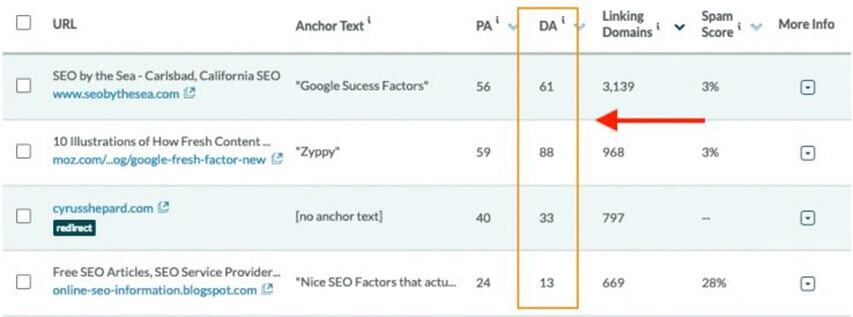
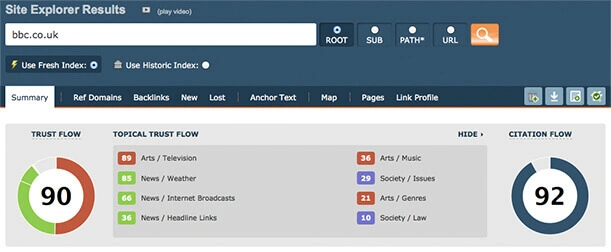
A third-party score that estimates how strong a website is overall. It's a useful gut-check when evaluating a potential link source, though it's an estimate, not a metric Google itself uses.
05
A link from a site in your niche tells search engines your page is a trusted resource on that topic. A link from a completely unrelated site carries far less signal, even if that site has high authority.